
Best for: First-time buyers
How to Choose the Right Dog Toy
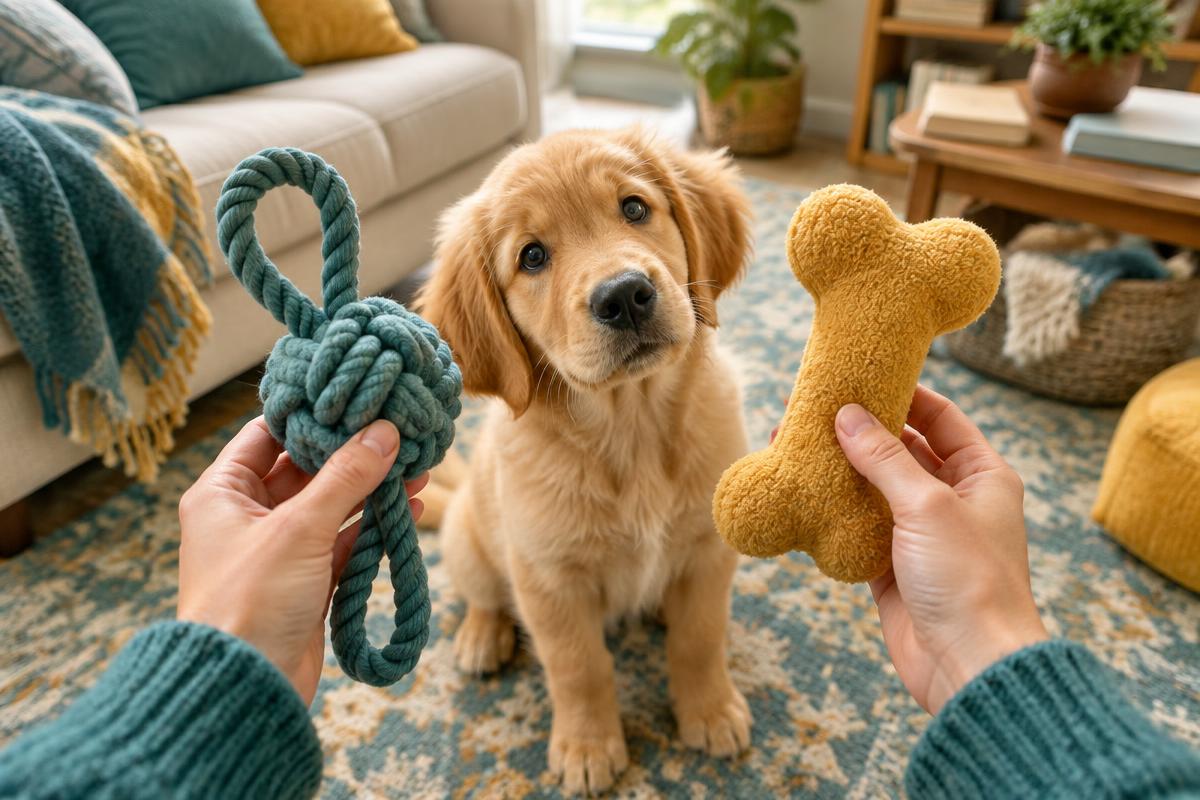
Quick summary
- Start with your dog's size and chewing style.
- Pick the toy's purpose before the product.
- Keeping a small rotation of toys with different purposes can help add variety.
How PupFindLab chooses products
We evaluate products based on intended use, materials, available sizes, durability considerations, ease of cleaning, value, and common owner needs. We research manufacturer information, product specifications, and other available information before comparing options designed for similar purposes.
- Intended use
- Material
- Size options
- Durability
- Ease of cleaning
- Value
- Common owner needs
- Researched
- We review available specifications, materials, features, sizing information, and relevant product documentation.
- Compared
- We compare products intended for similar uses to understand their differences, tradeoffs, and best-fit use cases.
- Personally tested
- We use the “Personally Tested” label only when a product has actually been used and evaluated directly by PupFindLab. Research-based recommendations are clearly distinguished from hands-on testing.
Our picks
PupFindLab may earn a commission when you buy through links on our site, at no extra cost to you.
Example recommendation format. These cards show how picks will be presented — they are not specific commercial products. Product recommendations are being added as PupFindLab expands its merchant and affiliate partnerships.
Soft Puppy Teething Toy
Best for: Teething puppies
A softer, flexible toy textured to soothe gums during teething.
Pros
- Gentle on puppy teeth
- Can be chilled
- Lightweight
Cons
- Outgrown as adult teeth arrive
- Not for strong adult chewers
Heavy-Duty Natural Rubber Chew Ring
Best for: Strong, persistent chewers
A thick, solid rubber ring designed for dogs that shred softer toys quickly.
Pros
- Thick solid construction
- Easy to rinse clean
- Floats in many versions
Cons
- Can be heavy for small dogs
- Not a replacement for supervision
Multi-Level Puzzle Feeder Board
Best for: Indoor mental stimulation
Sliding and flipping compartments that hide treats and encourage problem solving.
Pros
- Adjustable difficulty
- Great for rainy days
- Slows fast eaters
Cons
- Supervise — not a chew toy
- Pieces can be lost
Buying guide
Dog size
Toys should be large enough not to be swallowed and light enough to carry comfortably.
Chewing style
Gentle mouthers, moderate chewers, and power chewers need very different materials.
Purpose
Chewing, fetch, tug, comfort, or enrichment — each calls for a different design.
Supervision
Consider whether the toy is safe to leave with your dog or only for supervised play.
Materials
Look for clearly described materials. Natural rubber, nylon, cotton rope, and fleece are common.
Cleaning
Washable toys stay hygienic longer, especially food-dispensing ones.
Durability
Match expected lifespan to your dog. Inspect toys regularly for wear.
Value
Think cost per week of use, not just sticker price.
Not sure where to start? Read how to choose the right dog toy or browse Dog Toys.
FAQ
How many toys does a dog need?
There is no single ideal number. A small rotation covering different activities such as chewing, fetch, tug, comfort, and enrichment can work well for many dogs.
When should I replace a toy?
Replace it when pieces come loose, it becomes small enough to swallow, or edges turn sharp.
Related guides
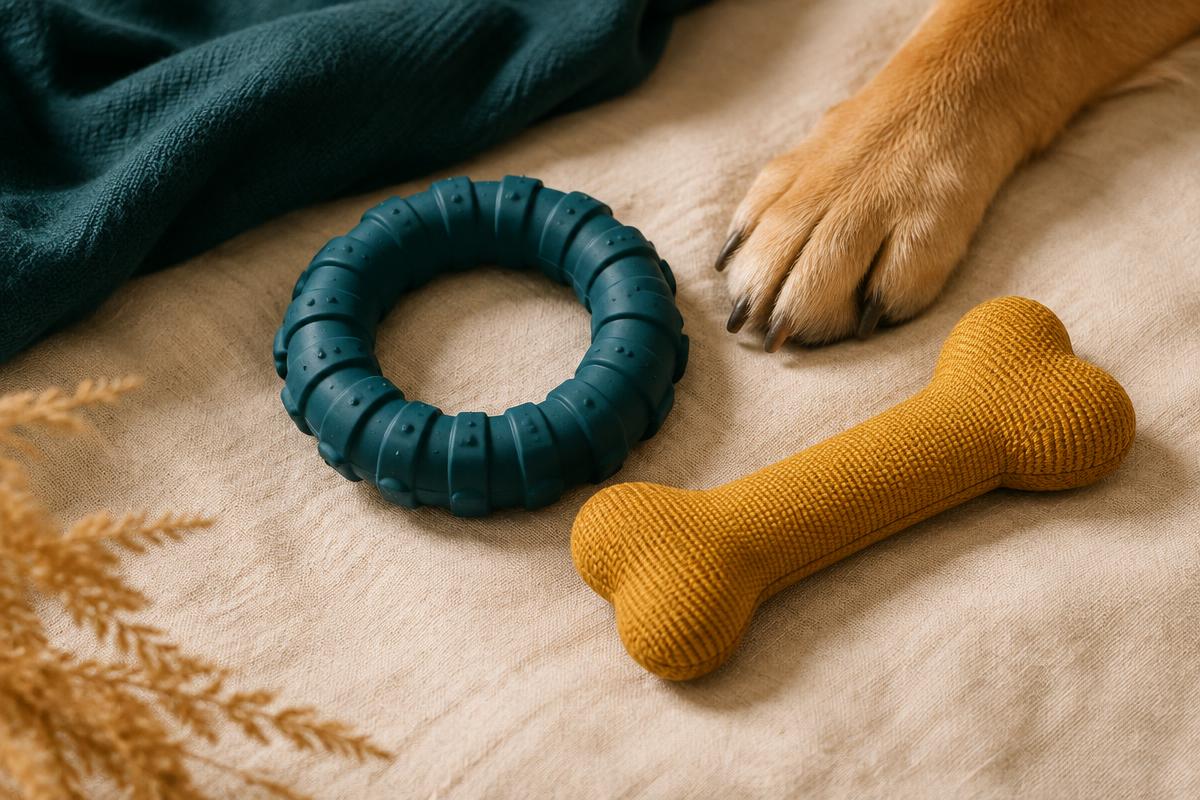
Best Toys for Aggressive Chewers
Durability, materials, sizing, safety considerations, and the best use cases for strong chewers.
Read Guide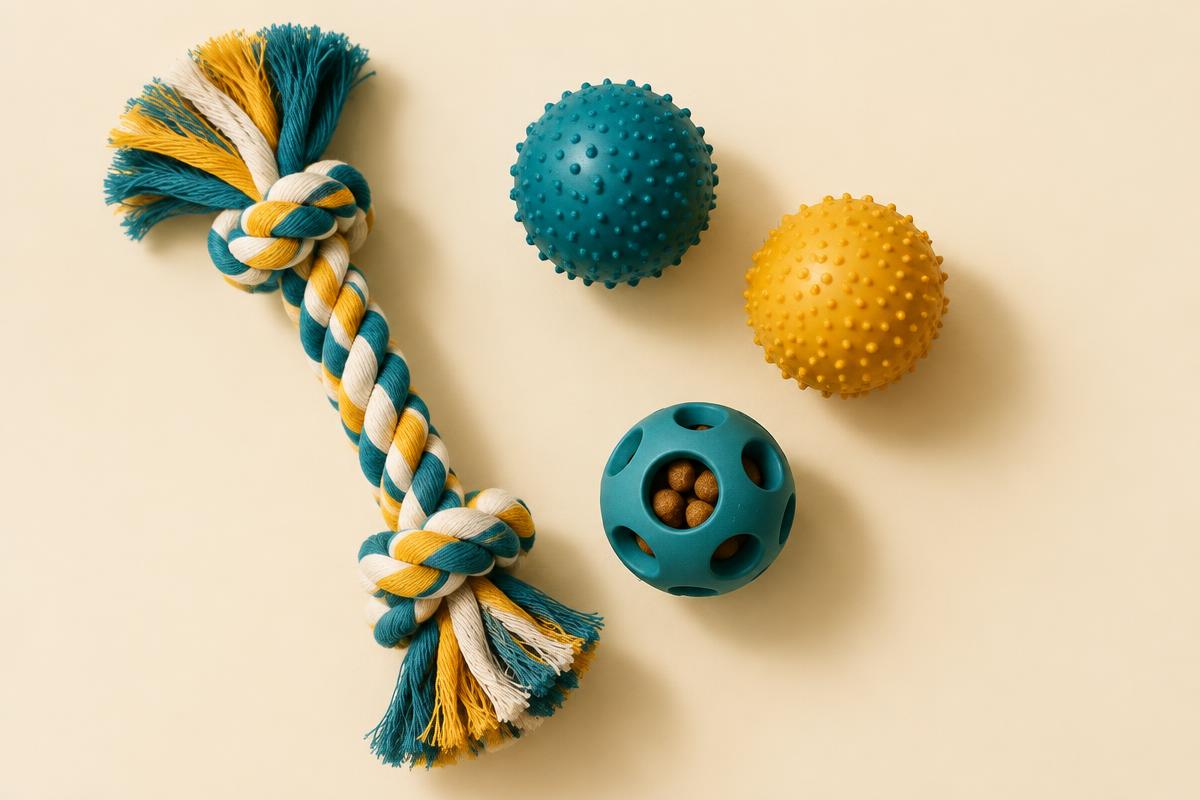
Best Dog Toys Under $25
Affordable dog toys with strong value for chewing, fetch, training, and enrichment.
Read GuidePupFindLab may earn a commission when you buy through links on our site, at no extra cost to you.